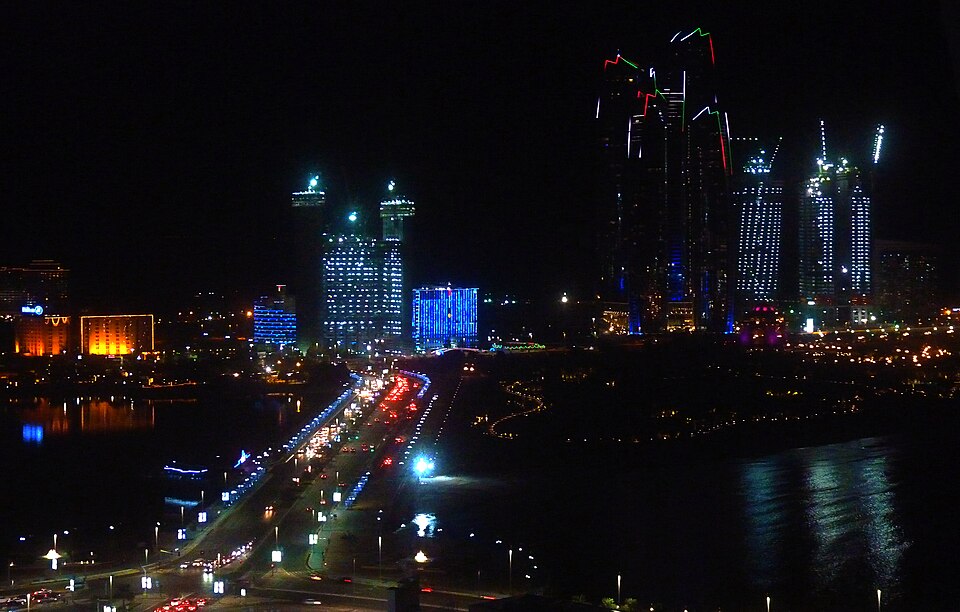
Formula One is openly shopping for new homes for its last two races of the season. The Qatar and Abu Dhabi rounds look increasingly likely to fall off the schedule because of the ongoing war in Iran.
I have watched F1 chase easy money into new places for decades. What I see now is not bad luck arriving, it’s the structure of the calendar becoming visible under stress.
Start With Who Is Actually Paying
Here is the useful habit when you look at any race on the calendar. Separate what the event is paid for from why people actually show up.
A lot of the recent expansion into the Gulf runs on hosting fees paid to Formula One Management. The money is real and it is large. The resident passion that fills a grandstand year after year is a separate question.
An event that exists mainly because someone paid to host it carries risk the moment the payer’s stability wavers.
That is the whole point of the current moment. A calendar built on hosting checks in a volatile region was always a fragile bet. The war did not create the fragility, it exposed it.
Test Durability Under Stress, Not on a Good Day
Anything that only works in calm conditions is not yet proven. The Gulf model looked good while conditions stayed calm and the checks cleared.
Now it faces its first real test. Analysts describe this conflict as the first major test of the Gulf’s regional investment model that reshaped modern sport.
The operational pressure is concrete. Formula One set a mid-September cutoff to judge whether the region is stable enough to race. Deep concerns linger over moving equipment, teams, and staff through the volatile Strait of Hormuz to reach the planned season-ending venues.
Participation hesitation is often the first real disruption signal. Once teams and staff start to doubt whether a trip is manageable, the event has already entered a new phase of risk. Perception moves before any incident does.
Two Clocks Are Running
Short-term revenue and long-term health are two different clocks. The trick is asking which one the sport is reading.
On the revenue clock, things look strong. Despite canceling two Middle Eastern races earlier in the year, Liberty Media reported that revenues increased by 53 per cent in the first quarter. The diversified business across broadcasting, sponsorship, and venue deals absorbs the shock better than you might expect.
That number tells you the money side holds up. It does not tell you the calendar is healthy.
I expect Formula One to ride this trend as long as the checks keep clearing. The pull of oil-rich money is strong and the near-term math supports it. The concern is what that concentration does over a longer horizon.
Follow the Exposure Past the Obvious Loss
The lost race dates are the visible cost. The second-order dependencies riding on the same bet matter more.
A regional war does not only threaten two grands prix. It sits next to the sponsorship and ownership money attached to the same region. Insurance premiums have climbed and long-term sponsorship deals have become harder to secure. The relocation costs, new venues, broadcaster renegotiation, ticket refunds, and revised travel, are heavy on their own.
The ongoing uncertainty proves more damaging than any single cancellation. That uncertainty premium compounds through every planning cycle.
Growth That Adds Volume, Not Depth
The calendar has grown roughly fifty percent since the late eighties. At some point more of something starts diluting the value of each unit.
Weigh whether recent growth added depth or just added volume. Several Gulf rounds delivered volume. They filled dates and delivered fees. The question of whether those crowds would exist without the check stayed open.
That is the difference between a race with roots and a race that rents a slot.
Did The Sport Write Itself An Exit?
I judge institutions by whether they wrote themselves an exit before they needed one. On contingency, Formula One earns real credit.
The sport is already planning two possible calendars for 2027, one with the four Middle East races and one without. Both assume a 24-race schedule. That dual-track planning shows the same improvisation muscle the governing body used to rescue a whole season under sudden disruption a few years back.
I trust that contingency competence, however I distrust the concentration that made it necessary.
What The Next Few Years Test
The coming seasons will show whether the sport diversifies toward places that would show up without the check. Stable regions with resident demand carry less of this exposure.
You can hold two things at once here. The Gulf money mattered and funded real growth. The bet also concentrated too much value in one unstable place.
The threatened final rounds are that fragility becoming visible. Whether Formula One reads the long-term clock or keeps riding the short one is the story worth watching through 2027 and beyond.