I wasn’t surprised when Formula 1 canceled the Bahrain and Saudi Arabian Grand Prix. I expected it the moment the war began.
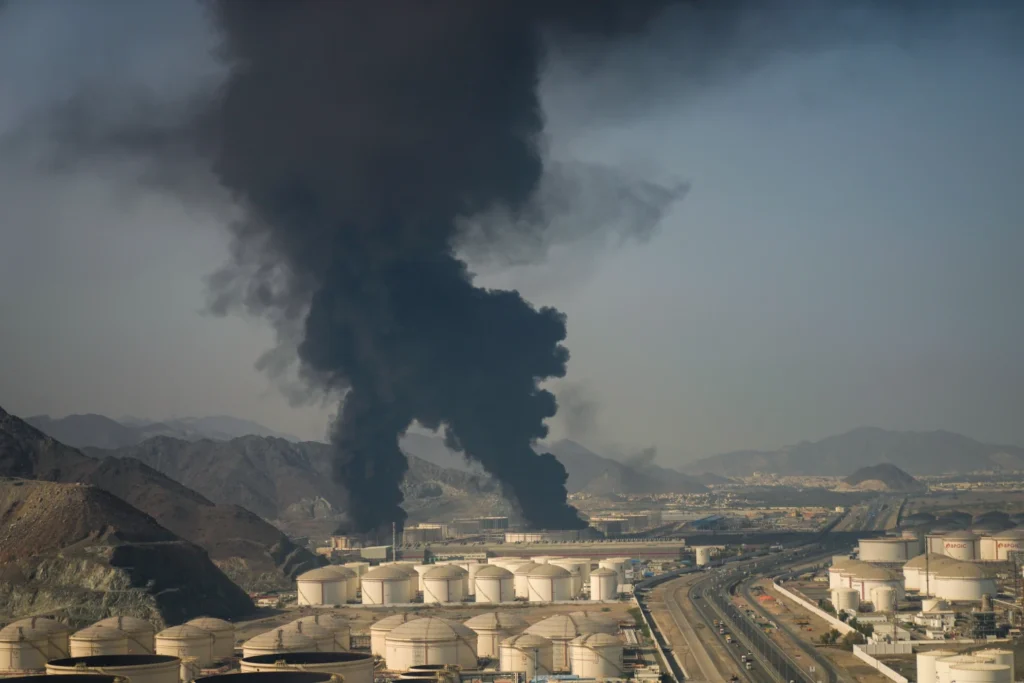
You don’t hold major international sporting events in active war zones. The calculus is simple.
But here’s what keeps me up at night: this isn’t just about two canceled races. This is about a business model built on sand, and the tide just came in.
The House of Cards Bernie Built
Bernie Ecclestone started this. He wanted races in emerging markets that could pay massive hosting fees and build shiny new circuits. The strategy worked. He used these new venues as leverage against European legacy tracks like Hockenheim, Silverstone, and Monza.
For a while, everyone won.
Then Liberty Media inherited the model. And instead of fixing its vulnerabilities, they doubled down. They added Qatar and Saudi Arabia to a calendar that already had Bahrain, Azerbaijan, and Abu Dhabi.
Five races in countries with no motorsports heritage and relatively small populations.
That’s nearly a quarter of the calendar. Add hundreds of millions of dollars and brand new facilities, and suddenly it made perfect sense. Financially.
The Money That Doesn’t Care About Profit
Here’s what most fans don’t understand about these Middle Eastern races: the host countries don’t need them to make money.
Saudi Arabia and Qatar each pay approximately $55 million to host their races. Bahrain pays around $45 million. These aren’t business investments. They’re marketing line items for monarchies flush with petroleum revenues and sovereign wealth funds.
The races exist to raise their countries’ profiles internationally. To diversify away from oil dependency. To build global brands.
Profitability? Irrelevant.
Meanwhile, F1 transformed itself. Widespread TV coverage and streaming media mean that crowds at the track matter less than they used to. As long as hundreds of millions of fans watch on race day, sponsors and teams get paid.
The sport fundamentally changed what it is.
The Fragility Nobody Wants to Discuss
When I say F1 is more fragile than most fans think, this is what I mean.
The sport depends on peace and security to operate outside of Europe, North America, and the Pacific Rim. Without stability, hosting events in certain regions becomes impossible.
The cancellations prove it. An Iranian drone struck the Crowne Plaza in Manama, a hotel that regularly houses F1 staff. This wasn’t abstract geopolitical risk. This was F1’s own infrastructure being targeted.
The logistical reality made changes impossible. F1 flyaway races require coordination between air, sea, and land freight transportation modes. Each team moves around 35 tonnes of air freight between races. The timeline was too compressed to pivot to alternate venues.
Rounds can’t be replaced if they’re canceled. We saw this when torrential flooding canceled the Imola race.
F1 built a calendar so tightly wound that it can’t absorb disruptions.
The Bigger Risk You’re Not Hearing About
The immediate threat? The three other Middle Eastern rounds toward the end of the season: Azerbaijan, Qatar, and Abu Dhabi.
I don’t think the conflict will still be active by then. But after the war comes the rebuilding effort. Political instability when the government of Iran falls. Worsening tensions between Sunni and Shia Muslims in Iraq, Bahrain, and parts of Syria.
Ethnic groups like the Kurds might see regional upheaval as an opportunity to create their own independent country too.
The end of the mullahs would be the beginning of a new phase in Middle Eastern politics. Potentially more unstable than what we’re seeing now.
And if the conflict expands? If it involves more combatants and drags on for months?
Asian economies get much of their oil and gas from the Middle East. Rising prices or constrained supply could severely impact their economies. Market uncertainty from a prolonged military conflict could trigger economic slowdowns coupled with rising prices.
This is the 2008 scenario all over again. During the global economic crisis, manufacturers withdrew from F1. Sponsors left. The sport contracted.
What Liberty Should Be Doing Right Now
I’d like to believe Liberty Media has contingency plans. They’ve had to consider regional conflict in light of the ongoing Ukraine War. They watched countries like Germany and Poland undergo military expansions.
They likely discussed how to handle conflicts that could impact their races.
I’ve predicted that some Middle Eastern races would eventually disappear due to regional instability. Maybe fewer races, most of them in Europe, would be the more stable path long-term.
A retrenchment. F1 did something similar during 2020. There’s precedent.
But here’s my fear; once the conflict subsides, it will be back to business as usual unless there are major economic headwinds.
The Path Forward Nobody Wants to Take
F1 faces two paths.
Chase the money in unstable regions. Or accept less revenue for more stability.
I’d like them to opt for stability and heritage. Hosting events at classic tracks where legions of passionate fans cheer for their favorite teams and drivers. Where the sport’s DNA lives.
F1 would lose money from a region investing in non-petroleum assets to diversify their economies. That’s what drives all the races there, not fan demand.
FOM wouldn’t earn as much. But they’d expose themselves to less physical and reputational risk.
Given the desire of the Saudi PIF and other sovereign wealth funds to invest in sports of all kinds, I think Liberty will hold its nose and take the money.
The cancellations cost F1 approximately $100 million in hosting fees. Teams will each lose several million dollars in prize money. Haas boss Ayao Komatsu said the financial impact “would not be something that could be ignored.”
But money has always been louder than risk in this sport.
The lights went dark in the desert this year. The question is whether Liberty learned anything while they were out.
I’m not holding my breath.