I’ve watched Formula 1 long enough to recognize when the sport’s governing body is doing damage control while pretending everything is going according to plan.
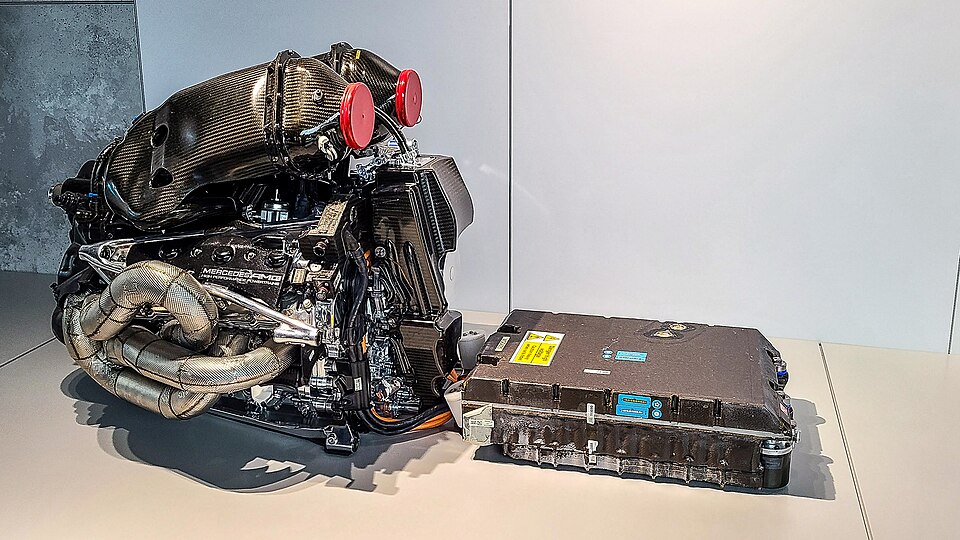
The 2026 engine regulations were supposed to represent F1’s bold step into a sustainable future. Instead, they’ve become a case study in regulatory failure so spectacular that the FIA started walking back core principles before teams even finished their first race weekend.
Three races. That’s how long it took for the entire paddock to agree the regulations needed emergency surgery.
This isn’t normal development iteration. This is a tacit admission that the people writing the rules fundamentally misunderstood what they were creating.
When Safety Becomes the Smoking Gun
Ollie Bearman’s 50G crash at the Japanese Grand Prix should have been the wake-up call. Instead, it was confirmation of what drivers already knew.
The new regulations created a dangerous speed differential problem. When cars charge their batteries automatically and abruptly, the attacking driver behind can suddenly face a 30+ km/h closing speed they don’t anticipate. That’s not racing, that’s Russian roulette at race speeds.
The FIA designed a system where energy management happens so unpredictably that drivers can’t react in time to avoid catastrophic accidents. You don’t get second chances at those speeds.
Lewis Hamilton called it “probably the biggest regulation change I have experienced in my career.” Coming from a seven-time world champion who’s raced under multiple regulation eras, that statement carries weight.
Lando Norris put it more bluntly: “It still hurts your soul when you see your speed dropping so much, 56 km/h down the straight.”
When your regulations make drivers describe racing as soul-crushing, you’ve failed at a fundamental level.
The Philosophy They’re Already Abandoning
The 2026 regulations centered on a near 50-50 split between electrical and internal combustion power. This wasn’t a minor technical detail. It was the entire philosophical foundation of the new era.
By 2027, the FIA has agreed in principle to abandon it.
They’re planning to increase ICE power by 50kW while pulling electrical power back from 350kW to 300kW. That’s not refinement, that’s admission that the core concept was wrong.
Think about what this means. The governing body spent years developing regulations around a power split philosophy they’re now discarding after one season. All the simulations, all the stakeholder meetings, all the technical working groups somehow missed that this wouldn’t work in actual racing conditions.
How does that happen?
The Downforce Debacle
Before the season even started, the FIA had to slash their projected downforce reduction from 40% to 15%.
That’s not a minor adjustment. That’s the difference between cars being two seconds slower per lap versus four seconds slower. The original regulations would have created the slowest Formula 1 cars in modern history.
Someone approved regulations that would have made F1 cars slower than GP2 cars. Someone signed off on that. Multiple people, actually, across multiple organizations.
The regulatory process failed so completely that basic performance targets were off by a factor of two.
The Cost of Being Wrong
The Formula 1 cost cap jumped from $135 million to $215 million for 2026. That’s a 59% increase. Power unit manufacturers saw their cap rise from $95 million to $130 million.
These increases weren’t planned investments in innovation. They were emergency funding to fix regulations that didn’t work.
Under the cost cap system, every dollar spent correcting regulatory mistakes is a dollar not spent developing the car. Teams now face a compound penalty. They have to spend resources adapting to broken regulations, which means they can’t spend those same resources on actual competitive development.
The FIA’s miscalculation created an opportunity cost that will echo through the entire competitive order for years.
The Language of Failure
The FIA’s official statement is a masterclass in diplomatic language designed to obscure reality.
“All parties acknowledge that with the introduction of such significant regulatory changes, there are collective learnings to be taken from pre-season testing and the initial rounds.”
Collective learnings.
That’s corporate speak for “we got it wrong and we’re all trying to figure out how to fix it without admitting we got it wrong.”
When a governing body talks about “fine-tuning the rule set in real time,” they’re describing reactive crisis management, not proactive regulation. Real-time adjustment means you’re making it up as you go because your original plan failed.
The FIA positioned these changes as an “ongoing effort to balance performance, safety, and driver workload.” But safety shouldn’t require balancing after the fact. Safety should be engineered into the regulations from the beginning.
You don’t balance safety in real time. You get it right before cars hit the track.
What This Reveals About Regulatory Process
The 2026 regulations expose a deeper problem with how F1 creates rules.
The sport relies on simulations, modeling, and theoretical projections to predict how regulations will perform in practice. But simulations can’t capture the full complexity of 22 cars racing wheel-to-wheel at the limit of adhesion.
The gap between simulation and reality was so wide that fundamental assumptions collapsed on contact with actual racing.
This suggests the regulatory process prioritizes theoretical elegance over practical functionality. The 50-50 power split probably looked brilliant in PowerPoint presentations. It aligned with sustainability messaging. It created a neat narrative about F1’s technological evolution.
It just didn’t work when drivers actually had to race with it.
The Credibility Problem
Every time the FIA reverses course on major regulations, they erode confidence in their ability to govern the sport effectively.
Teams invest hundreds of millions developing cars to regulatory specifications. When those specifications change mid-stream because they were fundamentally flawed, it creates justified skepticism about future regulations.
Why should teams trust the 2027 changes will be any better? The same process that produced the 2026 failures is now producing the 2027 fixes.
The FIA hasn’t demonstrated they’ve fixed their regulatory development process. They’ve only demonstrated they can react to obvious failures after the fact.
The Mitigation Era
F1 is now in what I’m calling the mitigation era. The sport isn’t racing under well-designed regulations. It’s racing under emergency patches to regulations that never should have been implemented in their original form.
The Miami Grand Prix changes came after just three races. The 2027 adjustments are already agreed in principle. This is governance by constant correction.
Every “refinement” is an implicit admission that the previous version was inadequate. The sport is stuck in a cycle of implementing flawed rules, discovering they don’t work, and negotiating compromises that will inevitably need their own future corrections.
This isn’t sustainable.
What Compromise Really Means
The FIA keeps talking about reaching “compromise” on future regulations. But compromise in this context means no one gets what they actually need because everyone has to accommodate the limitations created by previous failures.
Real compromise happens when different stakeholders with legitimate interests find middle ground. What’s happening in F1 is different. Teams are compromising their competitive development to work around regulatory failures. Drivers are compromising their safety margins to race under rules that create unpredictable closing speeds.
That’s not compromise. That’s damage control.
The Path Forward Doesn’t Exist Yet
The honest assessment is that F1 doesn’t have a clear path to stable, functional regulations for the current power unit era.
The 2026 rules were broken. The 2027 fixes are acknowledged band-aids. Nobody knows if the adjustments will actually solve the underlying problems because the same process that created the problems is being used to fix them.
What F1 needs is a fundamental rethinking of how regulations are developed, tested, and validated before implementation. That means more real-world testing, less reliance on simulations, and genuine input from drivers about safety implications before rules are finalized.
It also means the FIA needs to acknowledge when they get things wrong instead of hiding behind diplomatic language about “collective learnings.”
The 2026 regulations were ill-conceived. The rapid reversals prove it. The safety incidents confirm it. The cost cap increases quantify it.
Everything that’s happening now is mitigation until someone figures out what should have been done in the first place.
That’s not cynicism. That’s just reading the evidence the sport keeps providing.