The Indian Grand Prix died after three years.
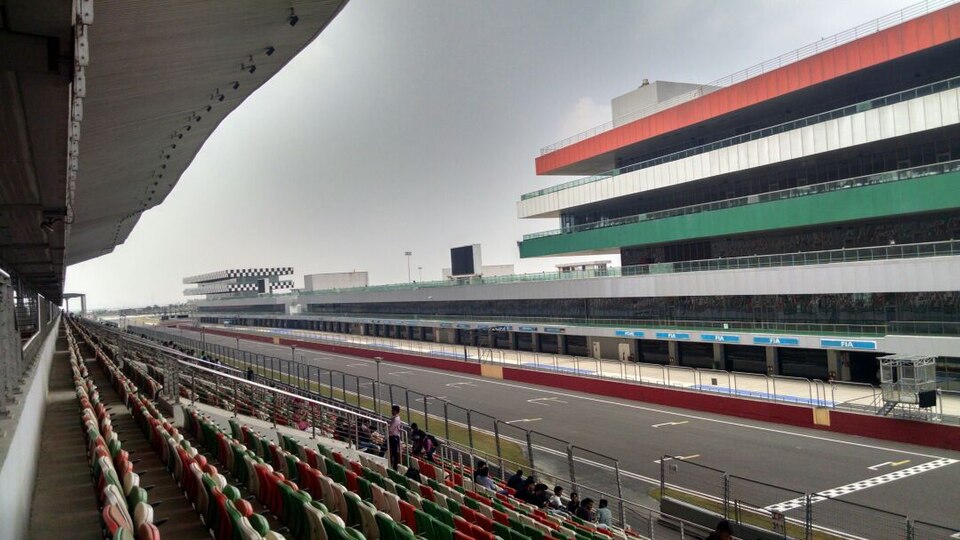
The Buddh International Circuit was world-class. Drivers loved it. The infrastructure was there. India had over a billion people and a growing middle class. On paper, it looked perfect.
But the grandstands stayed empty. By 2013, attendance had dropped to 65,000. The event hemorrhaged money and disappeared from the calendar.
I’ve watched F1 chase markets for years, and India remains the clearest example of what happens when you confuse market size with market readiness.
The Vanity Project Problem
India’s F1 venture was a vanity project from the start. The promoter saw dollar signs in India’s population. The commercial rights holder imagined viewership numbers and team revenue. Everyone chased potential without checking if anyone actually wanted what they were selling.
The reality was brutal. India had no autoracing culture. Zero. The country runs on motorcycles and scooters. As of 2021, only 8% of Indian families owned cars, while 54% owned two-wheelers. You can’t build a four-wheel racing fanbase in a two-wheel country.
Cricket dominates Indian sports culture with a passion F1 never came close to matching. The sport was completely foreign to the vast majority of Indian sports fans. There was no latent demand to tap into.
Build It and They Will Come Doesn’t Work
The inaugural 2011 race attracted 95,000 spectators and recovered only 140 crores against operational costs exceeding 300 crores. Jaypee Group had invested 2,000 crores into the circuit. By the third race, they had written off losses of 160 crores.
The Buddh Circuit was praised by drivers. The track was good. But good infrastructure means nothing when the grandstands are empty and fans aren’t watching.
India’s bureaucracy and tax classification of F1 as entertainment rather than sport made things worse. The Supreme Court eventually ruled the circuit constituted a permanent establishment, subjecting Formula One to a 40% tax rate. But even without these obstacles, the event was doomed. You can’t overcome bureaucratic inertia when there’s no underlying demand to justify the fight.
The American Contrast
Look at what Liberty Media did in the United States. They didn’t create demand. They tapped into something that already existed.
Americans have car culture. Most people own cars and learn to drive as teenagers. There’s an existing enthusiasm for automotive events, speed, and spectacle. Liberty Media recognized this and built on it through storytelling with Drive to Survive and strategic media partnerships.
The 2022 Austin Grand Prix attracted 440,000 fans over three days, becoming the most-attended weekend race in F1 history at that time. American viewership more than doubled from 550,000 in 2018 to 1.2 million in 2022. The U.S. fanbase reached 52 million, making it F1’s largest market for YouTube viewership and social media following.
India and the United States differ economically and demographically. What works in a country with established car culture doesn’t translate to a market where motorcycles dominate and cricket owns the sports landscape.
Even MotoGP Struggles
You’d think motorcycle racing would resonate better with Indian fans given the country’s two-wheeler culture. MotoGP returned to India in 2023, expecting over 250,000 spectators across three days.
But the event faced bureaucratic chaos, visa processing failures, and the same fundamental problem: motorsport culture takes decades to build. The Buddh Circuit was sealed in February 2024 after severe financial trouble, leaving uncertainty about contracted races through 2027.
Motorcycles are more ingrained in Indian culture than cars, but that doesn’t automatically create a motorsport fanbase. There’s a massive gap between using a vehicle for transportation and paying to watch people race them.
The Pattern Repeats
India isn’t alone. South Korea followed the same path. The Korean GP was sparsely attended and disappeared. China has a really good track that produces memorable races, but the massive grandstands aren’t full of passionate fans.
Most Middle Eastern events follow this pattern. Venues like Jeddah are on the calendar because of massive hosting fees paid to Formula One Management, not because there are hundreds of thousands of passionate fans. Compare the reaction when Charles Leclerc won at Monza in front of Ferrari fans to when Max Verstappen won at Qatar. The passion gap is visible even through a screen.
Fans make a grand prix memorable and worth attending. Viewers watching on TV and online can see how much the people at the track love their driver or team. That passion is what makes the sport compelling.
What Actually Works
Potential without popular demand and an established motorsports culture will struggle. Large populations and an emerging middle class are worthless without a fanbase that wants a grand prix and will support it indefinitely.
F1 stakeholders need to meet demand where it exists instead of attempting to create it. Racing where demand exists ensures long-term sustainability of events and the health of the sport well into the future.
Emerging markets need time to develop a motorsport ecosystem. India, South Korea, and similar countries would be better off focusing their efforts on rallying, motorcycle racing, and karting to create a motorsports culture. Building from the ground up takes decades, but it creates sustainable foundations.
A nice track and big hosting fees mean nothing if the race can’t fulfill its initial deal, much less a longer-term one. You need to look at the current motorsports culture and where it’s heading.
The Soul of the Sport
Liberty Media appears to acknowledge the importance of fan engagement for making grands prix sustainable over time. They’re still adding events to the calendar, but it seems more balanced than in the past.
The risk of building a calendar on financial arrangements rather than genuine fanbases is that the sport’s soul and character erode. Empty grandstands at well-funded races in emerging markets can’t replace the atmosphere at Monza, Silverstone, or even Austin.
I’d rather see F1 drop tracks like Baku, Shanghai, and Jeddah in favor of events in Germany, France, and Argentina. Even if it lowers revenue in the short term, having races where there is demand will ensure the long-term sustainability of these events and the health of the sport.
The Indian Grand Prix taught us that market size doesn’t equal market readiness. Cultural relevance beats population numbers. And passion can’t be bought with hosting fees or built with infrastructure alone.
Sometimes a billion people aren’t enough.