When Jensen Button joined Aston Martin as a brand ambassador, most people probably saw it as another retired driver getting a cushy gig. Show up at events, wear the logo, collect the check.
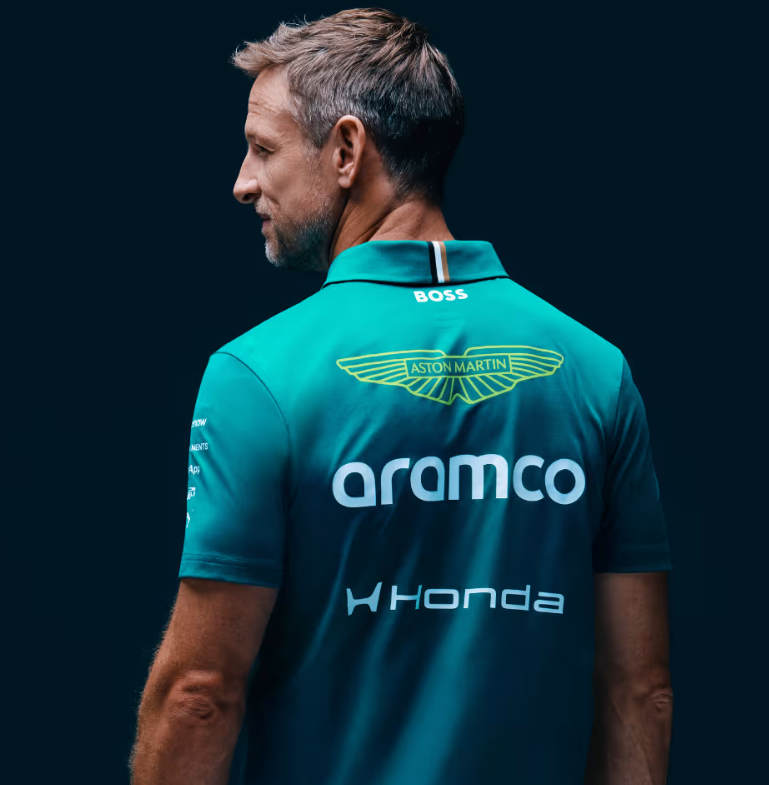
I see something completely different.
This move reveals how the Honda connection runs deeper than most realize. Button recently worked with Williams, but his decades-long relationship with Honda is what Aston Martin really wanted. Japanese business culture values loyalty in ways that Western teams often miss. Button earned that loyalty the hard way.
The Cultural Capital Button Built
Remember the McLaren-Honda disaster years? While Fernando Alonso publicly criticized the project, Button stayed quiet and kept working. Honda remembers that. They remember his commitment at BAR, the race they won together, the years he stuck with them through struggles.
That’s cultural capital you can’t manufacture with a press release.
American motorsports has similar examples. The Earnhardts and Chevrolet. Roger Penske and Marlboro. Tony Stewart and Home Depot. But those partnerships were mostly about visibility and branding.
What Button brings to Aston Martin goes deeper.
From Interchangeable Parts to Strategic Architects
Button has seen F1 from every angle. Successful teams, struggling teams, championship-winning operations, and complete disasters. He’s a thinking racer, similar to Gil de Ferran in IndyCar; someone who understands not just how to drive fast, but how a team needs to be structured to win.
You need the right people, the right facilities, adequate backing, effective operations, and a racer’s mindset. BAR started getting those pieces in place by 2004. Before that, they had Craig Pollock and a management group that wasn’t ready. Button saw what changed.
That pattern recognition matters more than his 2009 championship.
Aston Martin has hired star drivers like Vettel and Alonso. They have the facilities and the backing. They brought in Adrian Newey for technical brilliance. But they need the operational competence to tie it all together. They need the right people on the pit wall making the right calls at the right time.
That’s where Button comes in.
The Ten-Year Journey That Matters Most
Button’s most valuable credential isn’t his world championship. It’s the decade it took to get there.
He stuck with BAR instead of chasing Ferrari or Renault during their dominant years. He committed to building something, stayed through the Honda struggles of 2007-2008, and was there when Brawn succeeded in 2009.
That’s the mindset Aston Martin needs as they integrate massive investments from Honda, Aramco, and Lawrence Stroll. They want to create a structure where Aston Martin becomes a highly sought-after seat. Button knows what drivers want: a competitive car with a team that supports them.
He can help Newey and others build that foundation.
What This Means for F1’s Evolution
For years, drivers were seen as interchangeable parts. They’d come and go while the team remained constant. But the past 25 years showed that successful teams (Ferrari, McLaren, Red Bull, Mercedes) thrive on a combination of personnel stability and technical dynamism.
They get the right pieces together and keep them together for years. Teams that were hot for a season or two would lose their top people to competitors. The stability and structure enabled sustained success.
Button becomes the translator between all these stakeholders. Honda, Aramco, Stroll, the drivers, the engineers. He knows what works because he’s lived through what doesn’t.
Not all drivers are cut out for this role. But for someone like Button, who understands the timeless aspects of team structure, mindset, and culture from the inside, this could work exceptionally well.
He can help guide Aston Martin into a winning position not by luck, but by planning and executing that plan. That’s where he’ll help the team most.
And that’s why this partnership signals something bigger than typical brand ambassador theater. It shows how teams are starting to leverage driver expertise beyond the cockpit, turning alumni from interchangeable parts into strategic architects who shape the future.