Max Verstappen switching to number 3 for 2026 caught me off guard at first. He’s raced with 33 since he entered F1.
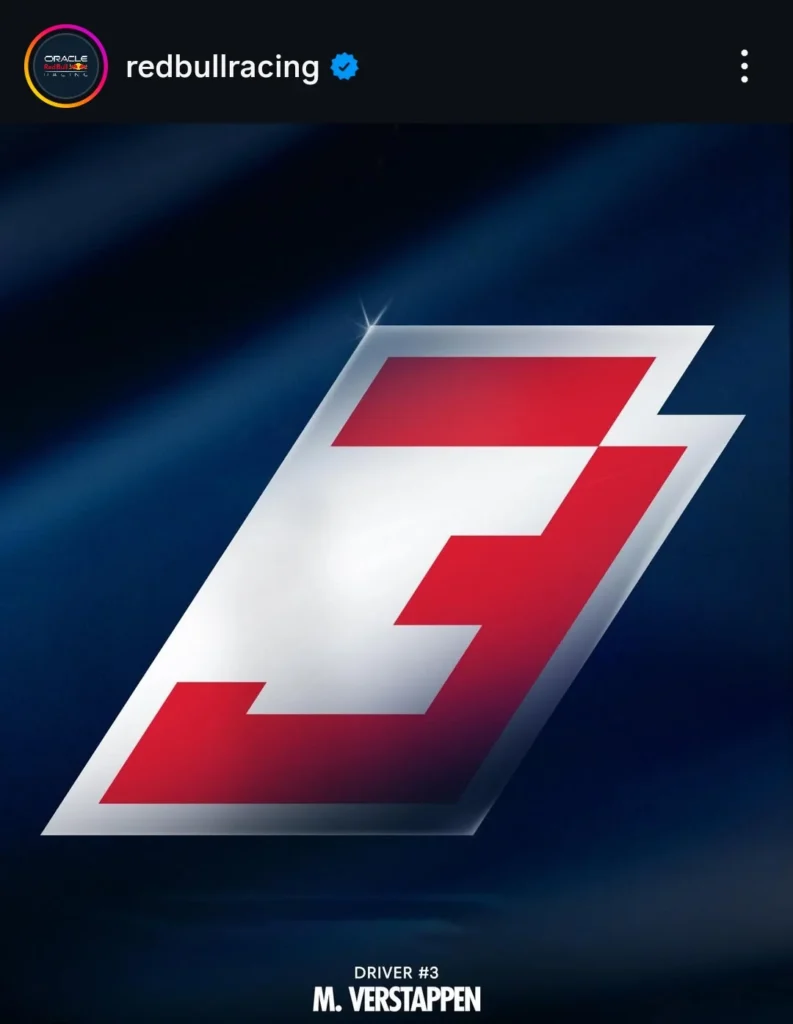
But here’s what clicked: this isn’t about sentiment. It’s about building a brand that outlasts his driving career.
With Daniel Ricciardo out of F1 and giving his blessing, Max finally grabbed the number he’s always wanted. The timing tells you everything; he’s a father now, publicly saying he won’t race forever, and clearly thinking beyond the cockpit.
The Real Story Behind the Rule Change
The FIA didn’t suddenly allow number changes out of nostalgia. F1 merchandise sales jumped 1,084% since 2018 under Liberty Media’s ownership.
That’s not a typo.
Liberty Media figured out what NASCAR and MotoGP knew decades ago: fans buy driver brands. The sport finally caught up to reality. Drivers stay longer now, build massive social media followings, and generate revenue streams that can dwarf their race earnings.
Remember Dale Earnhardt? His number 3 merchandise sales in the late ’80s and early ’90s nearly matched his driving income. That’s the blueprint Max is following.
Why Single Digits Matter
Max’s preference for 3 over 33 isn’t trivial. A single digit is simpler to stylize, easier to reproduce globally, and instantly recognizable on everything from caps to social media graphics.
It’s the number he wants tied to his legacy, not the double digit he settled for when Ricciardo had dibs.
The person makes the number iconic, not the other way around. But smart branding means choosing a number that can become iconic more easily. That’s what Max is doing.
F1’s Evolution From Teams to Drivers
For years, F1 was team-centric. Driver careers were shorter, so fans connected with team colors (Ferrari red, McLaren orange, Lotus green) not driver numbers.
That’s changed completely.
Longer careers, social media exposure, and exploding merchandise sales shifted the focus. Liberty Media spent their first months researching what fans actually wanted: closer engagement with drivers.
The permanent number flexibility is the logical result. Give drivers tools to build personal brands that transcend team affiliations. It’s about fan engagement and growing the base, which increases valuations for everyone involved.
The Business Reality
F1 needs to balance sport with business. Racing requires money. Money requires fans willing to watch races and buy products from sponsors.
Increase the fan base, grow the sport, increase valuations.
Verstappen’s switch represents this reality. It’s a business decision that enables the sport to thrive. For American fans used to seeing LeBron’s 23 or Brady’s 12 as commercial empires, F1 is finally speaking your language.
The number change isn’t just administrative news. It signals where F1 is headed, a driver-focused commercial ecosystem where personal brands matter as much as championship points.
Max waited years for this opportunity. Now he’s taking it, building “Brand 3” as something that can outlive his time in the car.
That’s not nostalgia. That’s strategy.