When Toyota Gazoo Racing announced their title sponsorship of Haas F1 starting in 2026, most people saw another corporate logo joining the grid. I saw something different.
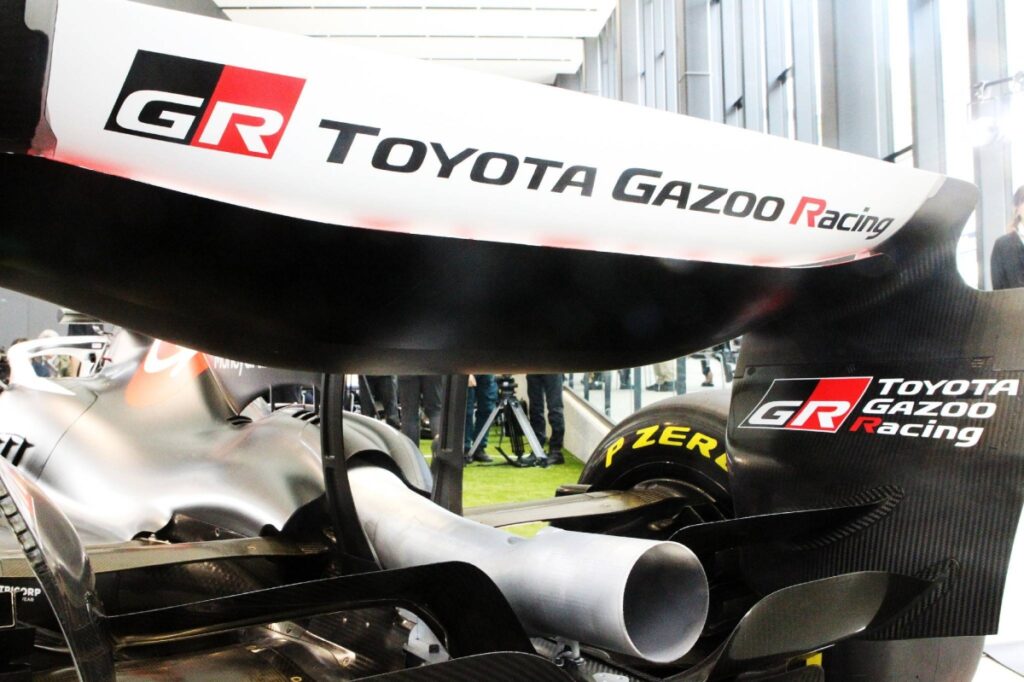
This isn’t a traditional sponsorship. It’s a manufacturing partnership disguised as a racing deal.
And it reveals how the wave of American corporate investment in Formula 1 works differently than most fans realize.
The Honda Playbook From the 1980s
Toyota is borrowing a strategy Honda perfected 40 years ago. Back in the 1980s and early 1990s, Honda used their F1 program as an engineering training ground.
Young engineers spent 2-3 years with the F1 team, then rotated back to Honda’s road car divisions.
The goal wasn’t just winning races. Honda wanted these engineers to develop a racing mentality that would transform how the entire company operated. Better communication. Faster feedback loops. More relevant products.
The racing success was great. The real value came from what those engineers brought back to Honda’s factories years after the company left F1 in 1992.
Toyota sees the same opportunity with Haas.
What Racing Teaches That Road Cars Can’t
Here’s what makes F1 different from traditional automotive engineering: compressed timeframes with brutal feedback loops.
Road car development takes 4-7 years from concept to production. F1 teams design, manufacture, test, and implement upgrades in 6-12 week cycles during the season.
Teams produce 8-12 major upgrade packages per year. Each one requires wind tunnel validation, CFD correlation, and on-track verification.
You make decisions with incomplete data. You iterate rapidly based on real-world feedback.
When an upgrade package doesn’t work at the Spanish Grand Prix, the team needs to understand why immediately. What did they miss? What didn’t they account for?
That learning process is what Toyota wants their engineers to experience.
It’s less about the technical data and more about the mindset. How do you maximize potential from the data you gather? How closely do your simulations correlate with real-world performance?
The cost cap makes this even more valuable. Teams can’t just throw money at problems anymore. Having updates that work well is paramount.
These skills transfer directly to automotive manufacturing, where companies face increasing pressure to accelerate electric vehicle development.
Why Haas Makes More Sense Than You Think
Toyota could have partnered with a winning team. They chose Haas instead.
Most people see that as settling. I see it as strategic.
Haas operates with a unique distributed model. Their race operations and aerodynamics are in Banbury, UK. Chassis manufacturing happens through Dallara in Italy. Power units and gearboxes come from Ferrari. Commercial operations run from North Carolina.
This structure means Haas employs about 300 people compared to 800-1,000 at top teams.
Smaller teams have less inertia. They can adapt and change more quickly. When you’re trying to learn how racing teams operate, you want a partner willing to experiment and collaborate across multiple areas.
Top teams like Mercedes or Ferrari have established processes that work for them. They’re less likely to integrate outside engineering talent or adjust their operations for a partner’s learning objectives.
Haas needs what Toyota brings. Toyota needs what Haas can teach.
The Machine Tool Business Nobody Talks About
Here’s the part most F1 coverage misses entirely.
Haas F1 exists primarily to raise the global profile of Haas Automation, a CNC machine tool manufacturer. The automotive sector represents about 40% of CNC machine tool sales globally.
Toyota operates over 50 manufacturing facilities worldwide. A single automotive plant can require 500-2,000 CNC machines, representing potential contracts worth $50-200 million per facility.
The F1 partnership gives Haas Automation direct access to Toyota’s global procurement network and engineering teams.
This isn’t just about racing. It’s two manufacturing companies doing business together, and F1 is the visible part of a much larger industrial relationship.
Toyota brings engineering depth from winning Le Mans six consecutive times and decades of manufacturing expertise. Haas brings racing experience and manufacturing equipment Toyota needs.
The sponsorship aspect is just one facet. Technical collaboration and commercial opportunities matter more.
What Both Companies Actually Gain
For Toyota, the immediate benefit is sharing ideas. Haas helps them understand F1’s racing mentality. Toyota brings design and engineering expertise to Haas.
But the real potential extends far beyond the race track. Toyota has a massive network of global partners. This partnership opens collaboration possibilities with those companies too.
For Haas, Toyota’s involvement means more than funding. It means access to one of the world’s largest automotive manufacturers and their engineering talent pool of over 80,000 people.
Gene Haas didn’t build an F1 team to win championships. He built it to raise his company’s profile in markets where F1 matters. Success means increasing Haas Automation’s sales and valuation.
The Realistic Performance Ceiling
Let’s be honest about what this partnership won’t deliver: podiums and race wins.
With the current model, Haas will likely remain toward the back of the grid unless they get things drastically right while other teams get things wrong.
Their realistic targets are Racing Bulls and Alpine. That’s who they’re competing against.
The performance gap between top teams and the midfield averages 0.8-1.2 seconds per lap. Closing that gap requires either revolutionary technical breakthroughs or top team mistakes.
Money helps, but it doesn’t guarantee results. The cost cap means everyone operates within similar budgets now. Organizational depth and technical expertise matter more than raw spending.
What’s more important to both Haas and Toyota is the factory floor and how racing lessons get applied throughout a global enterprise.
How American Investment in F1 Has Changed
Previous American corporate involvement in F1 was sporadic and short-lived. Ford’s Jaguar team invested over $400 million from 2000-2004 but achieved only two podiums before selling to Red Bull.
This current wave feels different.
F1’s U.S. television audience grew 28% in 2023, reaching 1.5 million viewers per race. The fanbase has increased 75% since 2018. Three U.S. races generated an estimated $1.8 billion in economic impact last year.
American companies now represent about 35% of all F1 team sponsorships. That’s not speculative investment anymore. It’s validated commercial opportunity.
But here’s what makes the TGR-Haas deal particularly telling: it’s part of a broader trend toward stability over quick wins.
Driver tenure has increased from an average of 2.1 seasons (2010-2015) to 3.4 seasons (2018-2023). Team principals stay longer. Major sponsorships last 5.7 years on average now compared to 3.2 years a decade ago.
Teams realize that consistent development direction yields better returns than frequent wholesale changes. Alpine’s performance decline from 4th in 2022 to 9th in 2024 coincided with five technical director changes in three years.
Toyota and Haas are positioning for long-term collaboration because that’s what works in modern F1.
The Real Risk Nobody Mentions
The biggest threat to this partnership isn’t on-track performance. It’s the global automotive industry.
If the automotive sector faces significant challenges, Toyota could pull back and focus on WEC or other categories instead. Manufacturers have to watch sales and market trends outside motorsport.
There’s another possibility most people aren’t considering: Toyota could use Haas as a stepping stone.
If this partnership works well, Toyota might approach higher-tier teams like Williams, Alpine, or McLaren. They could be testing the waters before committing to something bigger.
This could be an initial foray that leads Toyota back into F1 as an engine supplier or team owner. Or it could be Toyota hedging their bets, getting involved without too much commitment.
Either way, both parties bring something significant to the table right now.
How to Measure Success
If you’re evaluating this partnership based on whether Haas finishes 7th or 10th in the championship, you’re measuring the wrong things.
The Haas F1 team is not designed to compete for wins and championships. It exists to raise the global profile of a niche manufacturing company that counts the automotive sector as a key market.
What really matters to Haas is whether his company’s sales and valuation increase.
For Toyota, success means their engineers who work with Haas bring back lessons that apply across Toyota’s operations. The benefit could be measured in billions of dollars saved through improved processes and faster development cycles.
Winning in F1 is incredibly expensive and difficult. But you can achieve more limited aims if your leadership is clear on what those are.
Other American companies watching this partnership unfold should pay attention to one key signal: how both companies benefit.
Partnerships need win-win outcomes. If Haas improves their results on track, great. The bigger win is if they sell more CNC machines.
For Toyota, if their people bring back lessons worth billions in efficiency gains, this partnership pays for itself many times over.
That’s how this deal needs to be perceived: a commercial deal with a racing angle to it.
What This Means for F1’s Future
The 2026 regulatory reset creates a strategic entry point. New power unit regulations, active aerodynamics, and revised chassis rules represent the most significant technical overhaul since 2014.
Historical analysis shows regulatory resets create temporary performance convergence. The gap between first and tenth narrows for 12-18 months before top teams reassert dominance.
Toyota’s timing positions them to maximize this convergence window.
But the broader implication is how corporate investment is reshaping F1’s commercial structure. The sport isn’t just about racing anymore. It’s a platform for business development, engineering training, and global brand building.
American companies see F1 as a validated marketing platform with demonstrated audience growth and commercial returns. That’s fundamentally different from the speculative investments of the past.
The TGR-Haas partnership represents this new reality better than any other deal on the current grid.
It’s not about winning races. It’s about what happens when the racing stops and the real work begins.