Audi just revealed their R26 concept livery in titanium, carbon black, and red. The car debuts in 2026 with Nico Hulkenberg and Gabriel Bortoleto behind the wheel. CEO Gernot Dollner set a clear target: win a World Championship by 2030.
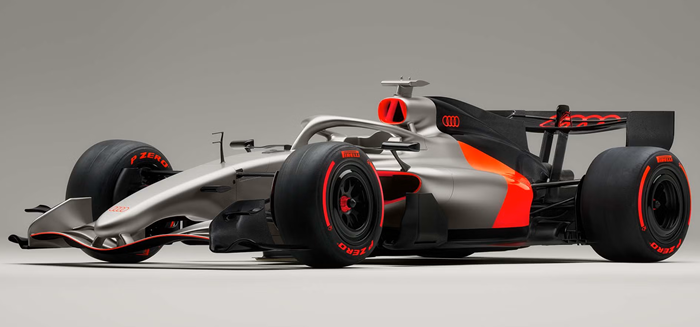
That timeline should make you pause.
History tells a different story about manufacturers entering Formula 1. BMW spent nearly a decade and massive resources in the sport. They partnered with Williams, then Sauber. The result? Less than a dozen wins and zero championships. When the 2008 financial crisis hit, BMW found their exit. One win with Sauber wasn’t much return on investment.
The pattern repeats. Toyota burned through an estimated $3 billion over eight years without winning a single race. Honda pressured teams, demanded driver changes, and withdrew engines when things didn’t go their way. These weren’t small operations. These were global automotive giants with unlimited resources.
They all failed.
The Budget Cap Changes Everything
Audi enters a different F1 than BMW or Toyota faced. The budget cap fundamentally changed the game. Teams now operate under a $135 million ceiling plus race costs. Before the cap, Mercedes and Ferrari spent over $400 million annually while smaller teams scraped by on under $150 million.
Being smart matters more than being wealthy now.
But here’s the catch. Audi faces a geographic disadvantage. Switzerland’s average salary hits $80,000 compared to the UK’s $54,000. Staff costs eat more of their budget cap allocation. The math works against them from day one.
Audi established a Technology Office in Bicester, UK, right in Motorsport Valley. They know where the expertise lives. Thousands of knowledgeable people who know how to develop winning cars work within that ecosystem. The supplier network exists. The infrastructure is in place.
Most of Audi’s work still happens in Hinwil, Switzerland. The Swiss influence will dominate.
McLaren Proved Manufacturer Backing Isn’t Essential
McLaren’s transformation offers the most instructive recent example. They recovered from the disaster that was the Honda partnership. No manufacturer backing. Just humility, introspection, and patience. They created a stable environment for their people to work in. Years of work paid off. McLaren is now the team to beat.
They succeeded by shedding a manufacturer.
F1 wants manufacturers because they bring existing fan bases and money. Manufacturers want F1 for technical challenges and glory. The challenge is simple: only one team can win. At any time, only a few can compete at the top.
The real question is whether Audi has the willingness to persevere in a highly competitive environment.
Mattia Binotto Found Sauber “Frozen”
Mattia Binotto arrived in August 2024 and found Sauber in survival mode. Zero points. No plans. No developments. The team spent the last 10 years with no real investments or expenditure. Binotto was direct about the reality: “Can we be successful next season? Not at all. Can we be in a couple of years? Not at all, because we will not have the people in place.”
Building new facilities takes three years. Attracting good people requires offering a good environment to work and live. Binotto’s realistic assessment: maybe in three years they can fight for wins. The title by 2030 remains very ambitious and challenging.
Audi develops both chassis and power unit simultaneously while competing against Mercedes, Ferrari, and Honda from year one. Those manufacturers have a head start. They learned where to spend smart under the budget cap. Audi enters with zero F1 race data in the new era.
The 2030 Timeline Looks Ambitious
Audi CEO Gernot Döllner described the journey in phases. The next two years, 2026-2027, they will be “challengers.” Binotto elaborated that maybe in three years they can reach their objective of fighting for wins. The title by 2030 is the stated goal.
That’s a five-year timeline. Shorter than typical manufacturer build-up periods.
BMW had a decade and couldn’t break through against Ferrari, Renault, and McLaren dominance. The budget cap levels the playing field, but it also means Audi can’t just throw money at problems. They have to think before they act. Test everything became think before you act.
Teams are compelled to be strategic now.
The Real Test: Willingness to Stay
Just like in endurance racing, Audi will set goals and fight hard to achieve them. After a time, they will have to decide if it’s worth it to continue. Economic headwinds could impact this decision, just like in 2008. A change in board leadership could simply decide that Audi’s racing activities are no longer important and end them abruptly.
Honda, Ford, and GM could also decide it’s not worth it. Renault decided that despite all their time in the sport, they could not justify remaining in F1. Outside of Ferrari and possibly Mercedes, no engine manufacturer is immune from outside pressures.
The manufacturer curse isn’t about technical capability. It’s about organizational willingness to persevere when results don’t come quickly. It’s about boardroom decisions in Ingolstadt that have nothing to do with what happens on track.
Audi brings resources, ambition, and a clear timeline. They established infrastructure in the right places. They hired experienced leadership who understands F1’s political challenges. Binotto knows what he’s up against. He lived through Ferrari’s struggles.
But breaking the manufacturer entry curse requires more than smart strategy and good people. It requires the patience to let those people do their work. It requires accepting that 2030 might be optimistic. It requires staying committed when the Volkswagen Group board questions the investment.
The budget cap era offers Audi a better chance than BMW or Toyota ever had. The question isn’t whether they can build a competitive car. The question is whether they’ll still be around long enough to see it happen.