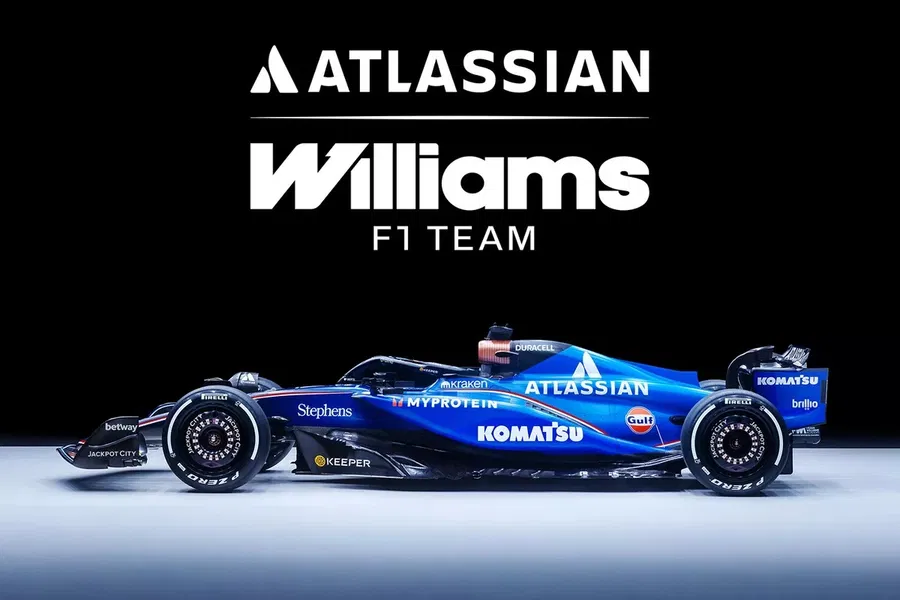
I saw Williams Racing’s new logo drop for 2026 and my first thought was about timing.
The rebrand comes after years of internal work most fans never saw. New systems. New people. New ways of operating. The visual refresh is the last piece, not the first.
That sequence matters.
The Excel Spreadsheet Problem
When James Vowles took over as Williams team principal, he found a team tracking F1 car parts with Excel spreadsheets. The infrastructure was 20 years old. They were using paperwork instead of digital filing systems.
Vowles came from Mercedes-AMG, where he helped build a championship-winning operation. He knew what modern F1 teams looked like. Williams wasn’t close.
Here’s what made his approach different: he told everyone exactly how bad things were.
He admitted the team used antiquated systems from decades ago. He acknowledged it would take years to fix. He set realistic expectations without grandiose plans about immediate success.
Most team principals hide that stuff. Vowles put it in interviews.
The Independence That Became a Limitation
Williams embraced independence for decades. They built everything in-house rather than working with specialist suppliers. That independence defined them during their championship years.
But the sport evolved. Other teams adapted to contemporary F1 practices. Williams kept doing things the old way.
The stratified thinking that once made them successful started holding them back. They failed to adapt while the grid moved forward.
Vowles wasn’t wedded to the past. He knew what worked from his Mercedes experience. Even with massive resources, Mercedes endured several years of struggle after they purchased Brawn GP. They needed the people, systems, and practices to go along with funding.
Transformation takes time even when you have money.
What Hollow Rebranding Looks Like
Alpine provides the contrast.
The team at Enstone went from Lotus to Renault to Alpine. Five team principals since 2016. Renault leadership talked about plans to become competitive, but the result was chaos and churn.
They had a good foundation. They suffered from political division between the race team and engine team. The identity kept changing while the internal dysfunction continued.
Alpine kept changing the logo. The problems stayed the same.
Williams brought in outside investors committed to improvement. Dorilton Capital raised £100 million for the transformation. From day one, Vowles said no one wanted short-term fixes. Everything was about doing it right for the future.
The difference shows in how you sequence change. Rebranding without foundation work is inauthentic. Until the difficult work of introspection, assessment, and restructuring takes place, changing your visual identity is meaningless.
The Inside Changed First
Williams focused on 2026 regulations during the 2024 and 2025 seasons. They sacrificed current performance to build proper foundations.
The team improved steadily even while prioritizing future development. They currently sit fifth in the constructors’ standings with 111 points. That’s more than their tally from the last seven seasons combined.
The rebrand signals that foundational work is reaching a turning point. Most of the structural changes are done or will be done soon. What we can see now is a team that’s competitive, engaging, and dynamic.
The inside changed first. Now the outside shows the results of those changes.
The new logo brings back the Forward W that Frank Williams introduced in 1977. It adorned all nine of the team’s Constructors’ Championship-winning cars. The visual identity honors heritage while signaling confidence after years of struggle.
Systems and People Take Time
Vowles talks about a five-year plan. He’s comfortable with that timeline. The board knows it. The investors know it.
Winning isn’t simply a matter of signing big names or moving to a new facility. Getting systems and people in place and working in harmony is not an overnight effort. An effective plan needs to be created and implemented systematically.
The people carrying out the change need to work with the leaders. You need a feedback loop between leaders and team that accounts for changes and challenges along the way.
Williams required people, systems, and practices alongside funding. Systems and people harmony takes time to develop.
What Success Actually Looks Like
I think Williams success in 2026 and beyond looks like P4 in the Constructor’s Championship with scattered podium finishes and flashes of brilliance.
Good race strategy coupled with great work in the pits will enable the team to maximize results. For the next few years, it will be all about operational execution and developing the winning mindset they have been lacking.
The top teams operate at the absolute highest level. That comes from both expectation and motivation. You build that through delivering on track, good strategy calls, great communication between the team and drivers, plus excellence in the garage by the mechanics.
The rebrand sets expectations the team now has to deliver on. That’s pressure. But it’s the right kind of pressure because the internal work is done.
The Lesson for Everyone Watching
Other teams are watching Williams because emulating successful practices is a sure way to improve results. F1 evolves as all sports do. If other teams can see what trends produce discernible results, they will copy them.
The Williams approach shows you can’t rebrand your way out of operational problems. You have to fix the systems first. You have to bring in people who know what works. You have to be honest about how long it takes.
Then, when the internal transformation is real, the external rebrand becomes authentic.
The logo changes last.