Max Verstappen won on his GT3 debut at the Nürburgring against seasoned specialists who race that course regularly.
I watched this unfold and realized we’re witnessing something bigger than racing versatility. We’re seeing the return of pure racing passion in an era that’s forgotten what that looks like.
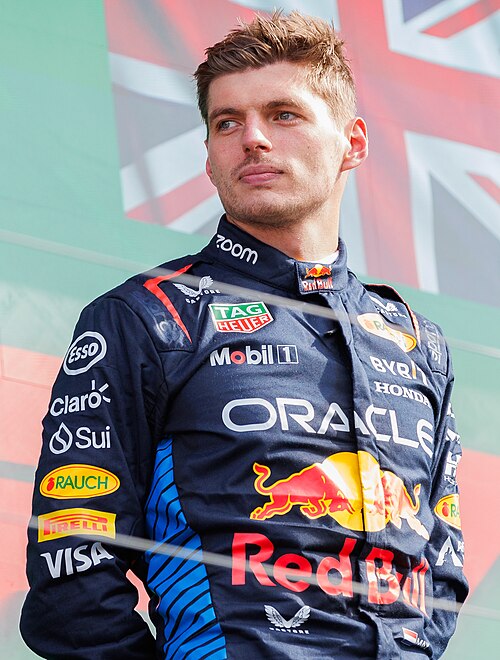
The Technical Mastery Behind the Magic
Verstappen’s victory wasn’t luck. It was adaptability meeting dedicated preparation.
His sim racing setup, worth over €25,000, let him practice the Nürburgring’s notorious 14-mile circuit thousands of times without physical risk. While other F1 drivers have similar technology, they don’t use it the same way.
The difference is desire. Verstappen simply loves to drive, race, and compete. That internal motivation separates him from peers who treat racing as a job rather than an obsession.
He built a 62-second lead in his first GT3 race while setting the fastest lap time. You don’t achieve that through talent alone.
When Racing Legends Could Actually Race
This achievement connects Verstappen to a vanishing tradition. Years ago, drivers like Dan Gurney won across F1, NASCAR, Indy cars, and sports car racing because fewer races meant more opportunities to crossover.
Today’s packed F1 calendar makes such versatility nearly impossible. Fernando Alonso warns that the time commitment to F1 is so extreme that doing other races is extremely difficult.
Yet Verstappen found a way. He’s exploring what GT3 is all about while others focus solely on maximizing F1 careers.
The Real Strategy Behind the Victory
I see this GT3 success as more than racing exploration. It’s career strategy.
Verstappen has expressed frustration with Formula 1’s politics and rules that hinder pure racing. As a new father, the long F1 season keeps him away from family.
His GT3 victory signals that endurance racing is in his future. Unlike Hamilton and Alonso, who are extending their F1 careers, Verstappen may not stay as long.
He’s testing waters for a lifestyle change that prioritizes family and pure racing over F1’s political circus.
What This Means for Racing’s Future
If other current F1 drivers are watching and thinking the same way, we could see shorter F1 careers and more crossover to full-bodied cars.
Verstappen’s success proves that modern drivers can still master multiple disciplines when they have the motivation. His example might inspire others to rediscover what made racing legends legendary.
The question isn’t whether Verstappen can succeed in GT3. He already proved that.
The question is whether his path becomes the new template for how elite drivers build careers that balance pure racing passion with personal fulfillment.
I believe we just witnessed the beginning of that transformation.