In July 2022, Chip Ganassi Racing announced they’d exercised their option to keep Alex Palou for 2023.
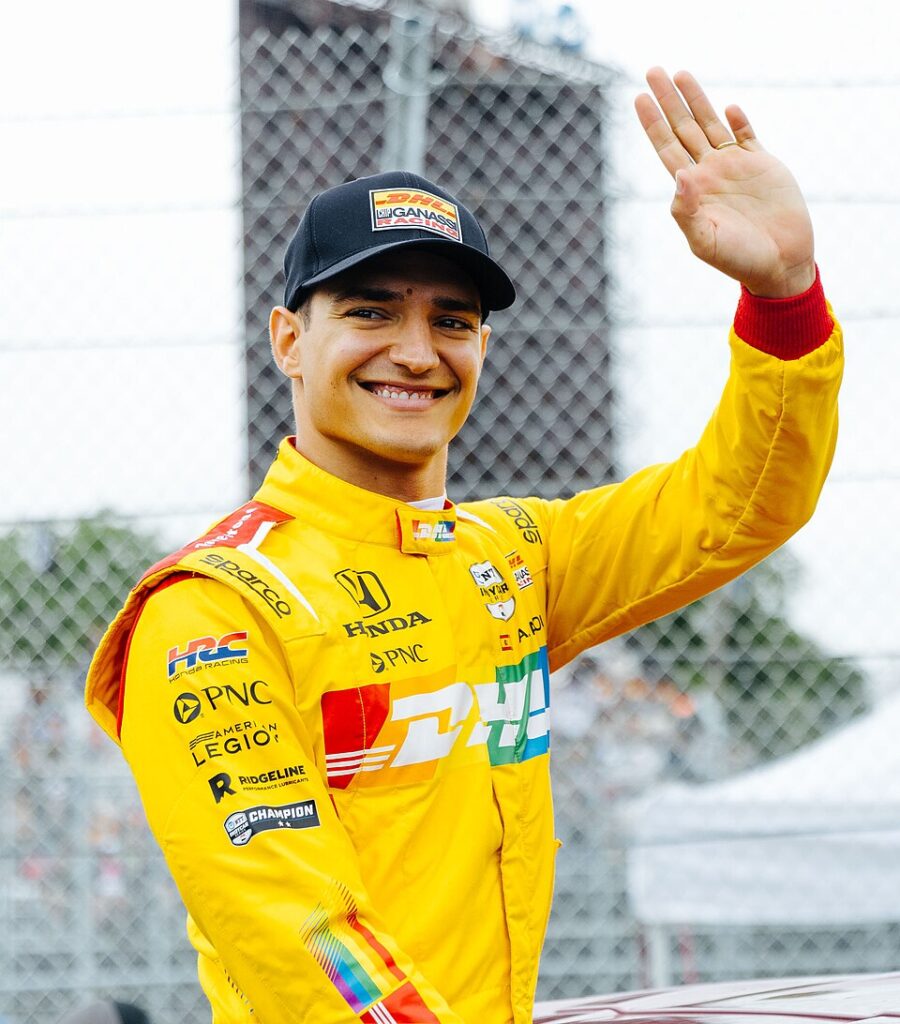
Hours later, McLaren Racing announced they’d signed the same driver.
Two sophisticated racing organizations with experienced legal teams both believed they had valid contracts with the 2021 IndyCar champion. What followed was a legal battle that exposed how unwritten promises and cross-series ambitions create contractual chaos in modern motorsport.
I didn’t think much of it when the dual announcements first dropped. But McLaren’s willingness to trigger this kind of public confrontation signaled something deeper.
They wanted Palou badly enough to risk everything.
The Competitive Chess Move
McLaren’s interest in Palou wasn’t just about acquiring talent. It was about weakening a direct IndyCar competitor.
Palou had emerged as the top young driver in the series, showing he could dominate for years like Will Power or Sebastien Bourdais. Signing him would have improved McLaren’s results while simultaneously gutting Ganassi’s championship chances.
That dual benefit made the risk calculation different.
Ganassi understood this perfectly. Keeping Palou was about maximizing their own results, but also about preventing McLaren from gaining that competitive advantage.
The results proved Ganassi right. Palou went on to win four championships with the team, including 2023, 2024, and 2025. Every dollar spent fighting to keep him paid off in trophies.
The Unwritten Promise Trap
But here’s where it gets interesting. The legal battle wasn’t really about contract language.
It was about expectations that existed outside the written agreement.
Court testimony revealed that Palou told his management he would “only be interested in driving for McLaren in F1.” The IndyCar contract was secondary. The real attraction was the chance to move up to Formula 1 after accomplishing what he wanted in IndyCar.
McLaren CEO Zak Brown later clarified that F1 was discussed as a “Plan B” or “Plan C,” not a formal offer.
That gap between expectation and reality became legal quicksand.
There were probably discussions over time where different aspects got mentioned. Test sessions, FP1 opportunities, future possibilities. What was in the written contract was one thing. What Palou believed he was signing up for was something else entirely.
When The Dream Collapsed
The turning point came when McLaren signed Oscar Piastri.
Palou testified he was “very upset, worried, and angry that McLaren had signed another rookie driver other than me.” The F1 path he’d been counting on suddenly had someone else in it.
But the real revelation came during a dinner near McLaren’s headquarters. Brown disclosed the contract terms for McLaren’s other IndyCar drivers, Pato O’Ward and Alexander Rossi.
Their conditions were better than what Palou was getting. And they weren’t champions.
That’s when buyer’s remorse set in. Palou realized the deal he was getting from McLaren wasn’t what he’d expected. When that reality hit, his team decided it was better to break the McLaren deal and stay with Ganassi.
McLaren is now suing for over $20 million, claiming massive financial losses from the breach.
The Settlement That Worked
The compromise solution gave everyone something they needed.
Palou stayed with Ganassi for 2023. McLaren got limited F1 testing to evaluate his potential. Ganassi allowed the testing outside IndyCar commitments.
It worked because each party valued different things. Palou saw that F1 was a long shot and potentially risky. Staying with Ganassi was the safer bet, and the results proved it wise.
McLaren couldn’t know how good Palou could be in F1 without testing him. They got their evaluation without the full commitment.
Ganassi kept their championship driver and the competitive advantage that came with him.
The Market Solution
Driver moves between rival teams will always be delicate and high-risk. But there’s a practical way to reduce these disputes.
Make it expensive and difficult for drivers to break contracts.
If a team really wants a driver, they’ll pay the penalty. But having buyouts clearly stated acts as a deterrent. The costs make moves less likely unless the opportunity is genuinely transformational.
McLaren’s representatives probably thought they could negotiate a buyout with Ganassi. When that didn’t materialize, the whole deal collapsed.
The balance comes from understanding market rates. A team doesn’t want to keep a driver who doesn’t want to be there. But they deserve compensation that reflects their investment in that driver’s development and success.
The jurisdictional complexity adds another layer. Ganassi filed in Indiana, but the current McLaren lawsuit is proceeding under UK law. Different legal systems interpreting the same dispute creates uncertainty that benefits no one.
The Cross-Series Challenge
This case exposed something fundamental about modern motorsport. Drivers increasingly want opportunities across multiple series, sometimes with teams competing against their primary employer.
That creates sponsor conflicts that need to be handled case by case. There could be issues in some markets but not others. Events like the 24 Hours of Le Mans draw drivers across team boundaries because of the prestige involved.
Contracts written ten years ago didn’t anticipate this level of cross-series mobility. Teams now need to explicitly address testing rights, appearance restrictions, and commercial partnership protections.
The Palou dispute became a very public lesson in what happens when these issues aren’t clearly defined upfront.
What It Means Going Forward
The cautionary tale here isn’t just about clearer contract language. It’s about managing expectations before they become legal problems.
Driver agents and team lawyers need to understand each other’s positions on movement and opportunities. What seems like an attractive offer can fall apart when the actual terms don’t match the implied promises.
Ultimately, determining market rates for contract breaks and buyouts creates predictability. Both sides know what it costs to make a move. That transparency prevents the kind of public blowup that damaged relationships and cost millions in legal fees.
Palou’s four championships with Ganassi validate their decision to fight. McLaren’s ongoing lawsuit shows the financial stakes of getting these agreements wrong.
The next time a championship driver considers jumping teams, both sides will remember this case. And hopefully, they’ll put everything in writing before anyone makes an announcement.