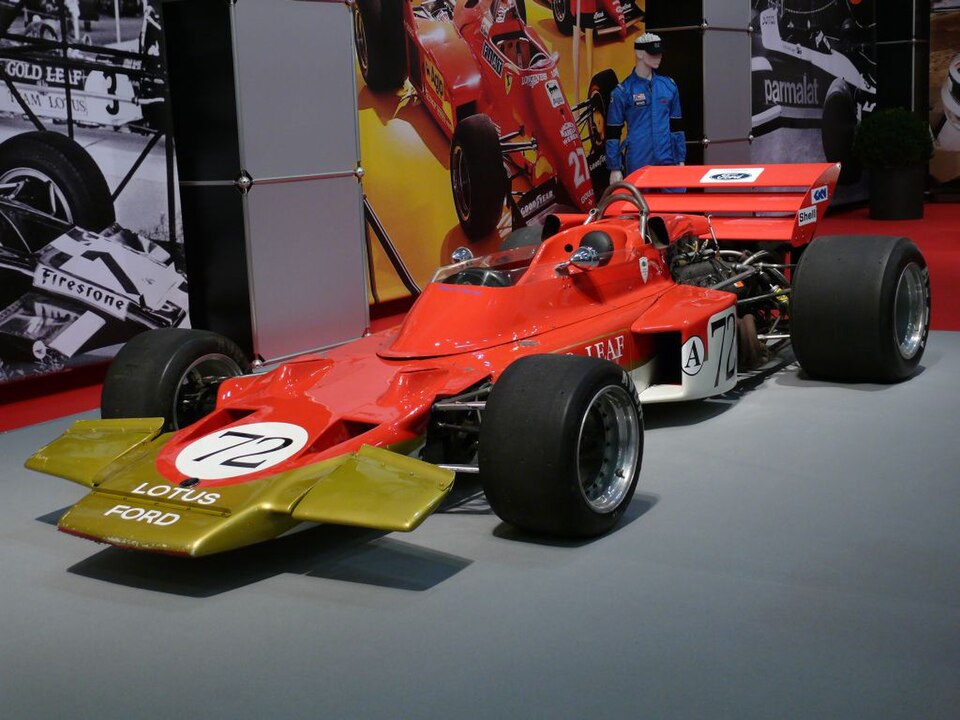
Ford walked away from Formula 1 in 2004 after years of disappointment. Now they’re back, partnering with Red Bull for the 2026 season and beyond. Everyone’s asking the same question: will this time be different?
I think it will be. Here’s why.
Red Bull Changes the Equation
This isn’t Ford going it alone with a struggling midfield team. They’re partnering with Red Bull Racing, a team that’s proven they can turn mediocre power units into championship-winning packages.
Look at the track record. Red Bull took Honda’s engine after McLaren gave up on it and helped make it competitive. Before that, they won championships despite Renault’s limitations. Red Bull knows how to extract maximum performance from what they have and push manufacturers to deliver more.
Both parties need this to work. Ford hasn’t consistently won since their Benetton partnership in the early nineties. Red Bull is building their own power unit operation from scratch. The motivation on both sides is real.
The Experience Gap Nobody’s Talking About
Ford’s been out of F1 for over 20 years. That’s a legitimate concern.
But I think both Red Bull and Ford have been working at this partnership for a while to get it right. This wasn’t announced yesterday and launched tomorrow. Plus, Ford has something their previous partners lacked: a reason to care deeply about the outcome.
GM is entering F1. Cadillac will be on the grid. For Ford, this is about more than just racing. It’s about Detroit pride and American automotive rivalry. That historic Ford-GM competition adds a layer of motivation that didn’t exist in their previous F1 attempts.
The Phased Reality: Beat Audi, Then Stay Ahead of Cadillac
Red Bull’s been winning championships recently. Won’t they expect immediate results?
Here’s my prediction: Ford will initially target being better than Audi, then focus on keeping an edge over Cadillac when they develop their own power unit around 2028.
That’s a specific competitive hierarchy, and it’s realistic. New partnerships take time. The key is setting proper expectations and creating momentum.
2026 Will Be Rough. 2027 Is the Real Test.
I expect 2026 to be a year full of frustration. New regulations. New power unit. New partnership dynamics. It’s going to be messy.
But as long as they’re improving, the Red Bull teams will be patient. The big test comes in 2027. Can they win races? Can they consistently be at or near the front?
Here are the concrete benchmarks I’ll be watching in that difficult 2026 season:
If Max can get into Q3 consistently by Miami, that’s a good sign. It shows the power unit has baseline competitiveness.
If the team doesn’t suffer a spate of engine failures, it proves both Red Bull Powertrains and Ford are on the right path. Reliability is everything in F1. You can’t develop performance if you’re constantly replacing broken parts.
The Secret Weapon: Ex-Mercedes Engineers
Red Bull has hired a lot of former Mercedes HPPT people. This has been flying under the radar, but it’s massive.
These engineers know what championship-winning power units look like. They understand the development process. They’ve been through multiple regulation changes. That institutional knowledge is invaluable.
Red Bull will take everything they learned from working with Renault and Honda and guide Ford so they can be successful. It’s not just Ford figuring this out alone.
What Ford Actually Brings to the Table
Red Bull Powertrains isn’t a manufacturer in many ways. They’re using the Honda engine and systems as their baseline. Ford is a massive global manufacturer with a major presence in the UK already.
Ford can help with the actual build of the engine and the electrical system. This makes the package better integrated, which in turn helps with car design to optimize the power, aero, and chassis elements.
The 2026 regulations massively increase electrical power output. Ford’s pushing hard into EVs with the Mustang Mach-E and F-150 Lightning. Do their road car EV systems translate to F1’s extreme demands?
Honestly, it’s mostly marketing talk. F1 engines aren’t like the units on a pickup truck.
But many of the principles are transferable. Thermal management and durability, especially vibration resistance, are areas where Ford’s road car experience could genuinely help. And those same learnings flow back to improve Ford’s consumer vehicles.
The Technology Transfer Nobody Sees
Both Red Bull and Ford want to keep things quiet. When they start improving, they don’t want other teams or companies poaching their top talent. Working quietly behind the scenes is the smart move.
But here’s what I think is happening in Ford facilities right now: they’re developing technologies on track that are applicable on the road. Thermal management systems. Energy recovery optimization. Durability under extreme conditions.
If Ford finishes fourth in the constructors in 2027, not winning but respectable, is that still worth hundreds of millions?
I think it could give them a competitive edge in their road car business. Plus, just competing gets Ford’s name out there more because Red Bull is all about marketing. Ford thought this through carefully and weighed the possibilities. They must think the short-term benefits from being part of F1 justify the investment.
The American Angle: More Than Just Racing
F1’s exploding in the US right now. Three races. Massive TV numbers. Younger buyers who only know Ford as the F-150 company.
This partnership is Ford’s way of reconnecting with American fans and showing they still do performance. It may also be a lead-in to introducing more car-like vehicles rather than primarily focusing on trucks and SUVs.
They have the Mustang, but beyond that, their range could include more hot hatchbacks and performance versions of mid-size sedans. Think of the Taurus SHO or Focus cars from the past.
Cadillac has SUVs but is still mostly about cars. Ford’s F1 presence could signal they want to reenter that market with more performance-oriented vehicles. Maybe even cars on the level of the new Corvette.
The Bigger Picture: A Complete Motorsport Ecosystem
If everything goes right with Red Bull, what does Ford’s motorsport portfolio look like in 2030?
I see a presence in F1, WEC, NASCAR, and other series. If the business case makes sense, they could even look at a return to IndyCar to once again compete against Chevrolet and Honda.
Ford may also garner interest in their F1 engine from customer teams if their power unit is competitive. 2030 could be a year where Ford has full spectrum presence in most of the major motorsports categories.
This isn’t just about one F1 partnership. It’s Ford rebuilding their entire performance identity across multiple racing series and road cars.
My Bottom Line
Ford’s 2026 return will be different because the circumstances are different. They’re partnering with a team that demands excellence and knows how to develop competitive packages. They’re motivated by American rivalry with GM. They’re building toward a broader performance strategy, not just chasing F1 glory.
Will they win championships immediately? No. 2026 will be frustrating. But if they hit those early benchmarks, show consistent improvement, and reach competitiveness by 2027, this partnership will be remembered as the moment Ford reclaimed their performance heritage.
The real question isn’t whether Ford can succeed in F1. It’s whether they can use F1 as the foundation for something bigger. Based on what I’m seeing, they’re positioning themselves to do exactly that.