Sao Paulo, 2008. The season finale.
The broadcast alternated between track and garages with surgical precision. Felipe Massa crossed the line first, the crowd’s roar audible over screaming engines. Cut to the McLaren garage where tension gripped every face as Lewis Hamilton clawed for positions.
Then Timo Glock’s Toyota appeared. Hamilton passed him on the final corner. The McLaren garage erupted. The Ferrari garage collapsed in devastation.
That’s what F1 broadcasting used to understand. Drama is earned through competition, spectacle is how you present it.
Singapore 2024 told a different story.
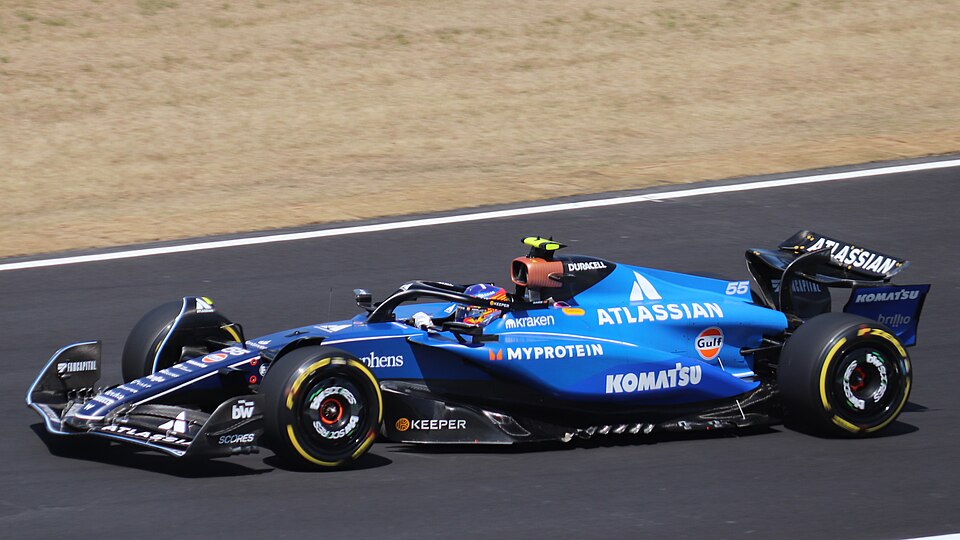
Carlos Sainz climbed from 18th on the grid to 10th place. Viewers saw none of his overtakes, not one! Instead, cameras focused on celebrities and driver girlfriends while actual racing unfolded off-screen.
Sainz’s criticism wasn’t just frustration. It revealed something fundamental about what F1 has become.
The Drama vs. Spectacle Problem
Drama is the culmination of actions leading to an event. Spectacle is how that event gets presented.
F1 used to prioritize drama and use spectacle to enhance it. Now they’ve reversed the equation.
Formula One Management reportedly cuts to celebrities and families approximately 20 times per race, according to broadcast analysis. Twenty interruptions from actual competition to show manufactured moments.
That’s not enhancing the sport, that’s replacing it.
Liberty Media’s Miscalculation
The strategy appears deliberate. Attract casual fans through entertainment value. Use cross-promotion with celebrities to expand reach. Make F1 accessible to audiences who might not understand racing nuances.
The execution reveals a fundamental misunderstanding. It assumes fans want flash over substance. It treats the audience like they need distractions from the racing itself.
That’s condescension disguised as growth strategy.
Drive to Survive created millions of claimed fans. But ESPN averages only 1.1 million viewers per race in the US. F1 built an audience for a show about racing, not for racing itself.
The appeal of Formula One is the racing and the drivers. They’re why fans watch and keep watching. Celebrities come and go, the racing remains essential.
What Gets Lost
When cameras cut away from Sainz’s charge through the field, it’s not just missed footage. It’s a signal about what F1 values.
The organization is telling drivers their athletic achievements matter less than celebrity reactions. They’re telling hardcore fans their preferences don’t drive decisions. They’re telling casual fans that racing itself isn’t compelling enough to hold attention.
Every one of those messages undermines what made F1 special. The highest form of motorsport shouldn’t need constant distraction from the motorsport itself.
Cross-promotion has value and celebrity presence can expand reach. Entertainment elements can enhance presentation too. But when cameras turn away from drivers doing what they do best, the line gets crossed.
The Path Forward
This isn’t about eliminating entertainment elements. It’s about emphasis.
Show celebrity reactions during red flags or between sessions. Cut to garage drama when it reveals genuine emotion tied to sporting stakes. Use spectacle to amplify drama, not replace it.
The 2008 Brazil broadcast worked because producers understood the sporting stakes first. The garage shots mattered because they showed reactions to actual competition unfolding on track.
Liberty Media can adjust this. The centralized global feed gives them complete control. They can choose to prioritize differently.
But they need a reason to change. Social media complaints create noise, tuning out creates consequences.
If fans stop watching races because broadcasts don’t show racing, that’s the signal Liberty Media will hear. Not because they suddenly care about sporting purity, but because empty seats and declining viewership threaten the business model.
F1 remains the highest form of motorsport. Great drivers pushing amazing cars at incredible circuits. That’s what draws fans in and keeps them engaged.
The question is whether Liberty Media will remember that before they’ve alienated the audience that actually watches races instead of shows about racing.
Celebrities come and go. The racing remains.